
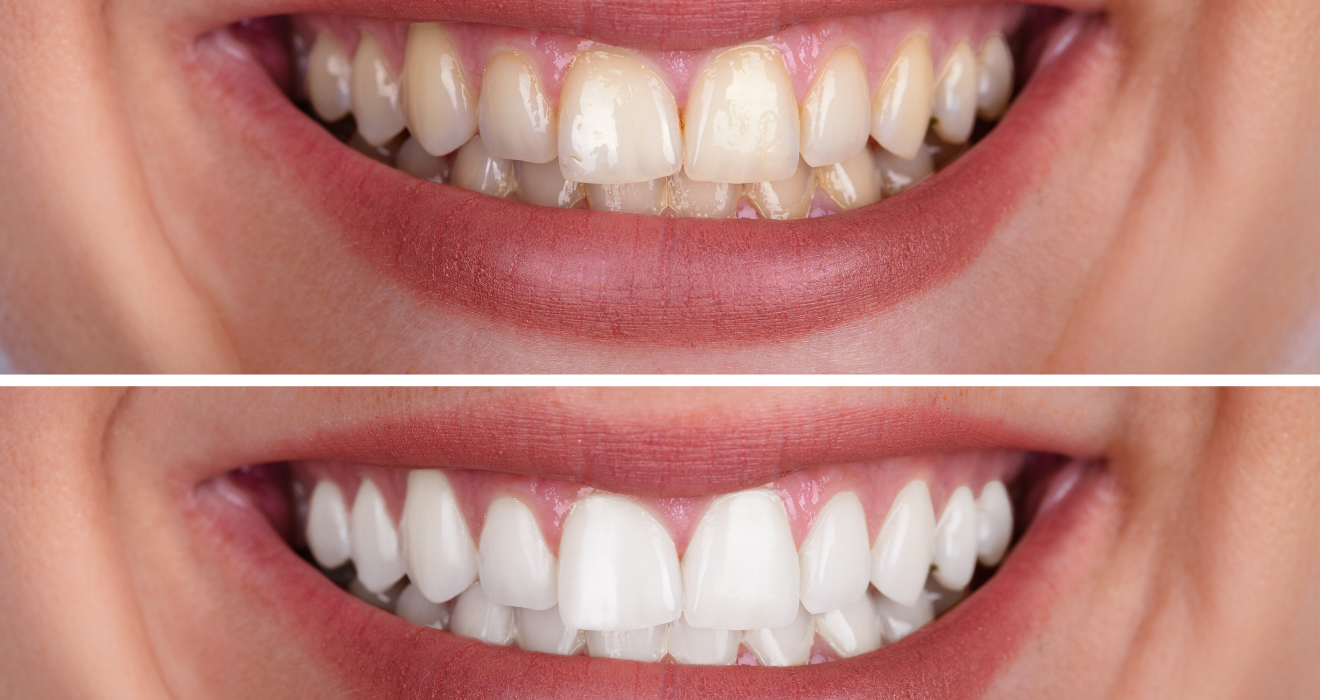
Teeth Whitening in Kathmandu: Options, Cost & Safety
Teeth whitening in Kathmandu has become one of the most requested cosmetic dental treatments in recent years, driven by daily tea and coffee habits, betel nut (supari) use, and a growing focus on smile aesthetics before weddings, job interviews, and special occasions. But not all whitening methods are equal — and not everyone’s teeth are suitable candidates for every option.
Here’s a complete breakdown of teeth whitening in Kathmandu: the available options, realistic costs, and what actually makes the procedure safe.
Why Teeth Get Stained
Before choosing a whitening method, it helps to understand what’s causing the discoloration in the first place:
- Tea and coffee — a daily habit for most households in Nepal, and one of the most common causes of surface staining
- Betel nut (supari) and tobacco — heavily staining and, unlike tea stains, harder to reverse with whitening alone
- Aging — enamel naturally thins over time, revealing the more yellow dentin layer underneath
- Certain medications — some antibiotics taken during childhood can cause deeper, intrinsic staining
- Poor oral hygiene — plaque buildup contributes to a dull, discolored appearance
- Genetics — natural tooth shade varies from person to person, independent of habits
Understanding the cause matters because surface (extrinsic) stains respond well to whitening, while deeper (intrinsic) stains may need a different cosmetic approach altogether, such as veneers.
Teeth Whitening Options in Kathmandu
In-office (chairside) bleaching A dentist applies a professional-strength whitening gel directly to the teeth, often activated with a special light. This is the fastest option, typically completed in a single 1-2 hour visit with immediately visible results.
Laser teeth whitening Similar to in-office bleaching but uses a laser to activate the whitening gel more precisely, generally producing faster, more dramatic results with reduced sensitivity compared to standard bleaching.
Take-home whitening kits (dentist-supervised) Custom-fitted trays and professional-grade gel are provided for use at home over 1-2 weeks. Slower than in-office treatment but more affordable and done at your own pace.
Over-the-counter whitening strips and kits Available without a dentist visit, but generally weaker, less consistent, and not customized to your teeth — results vary significantly and improper use can cause gum irritation.
Dentists generally recommend professional options over OTC products, since professional whitening is monitored for safety and tailored to your specific tooth shade and sensitivity level.
Teeth Whitening Cost in Kathmandu
Cost depends on the method chosen, with in-clinic professional treatments costing more than take-home options but delivering faster, more reliable results.
| Whitening Option | Approximate Cost (NPR) |
|---|---|
| Take-home whitening kit (dentist-supervised) | 2,000 – 8,000 |
| In-office bleaching | 8,000 – 20,000 |
| Laser teeth whitening | 15,000 – 25,000 |
Prices vary by clinic, the number of shades you’re aiming to lift, and whether the treatment includes a pre-whitening cleaning. Heavier staining, such as from tobacco or betel nut, may need multiple sessions to reach the desired result.
Is Teeth Whitening Safe?
Professional teeth whitening, performed or supervised by a dentist, is considered safe for most adults. That said, it’s not entirely risk-free, and safety depends heavily on how it’s done:
- Temporary sensitivity to hot and cold is the most common side effect, usually resolving within a few days
- Gum irritation can occur if whitening gel isn’t applied precisely — a key reason to avoid unsupervised, ill-fitting OTC kits
- Whitening doesn’t work on crowns, veneers, or fillings — these won’t change shade, which can create uneven results if not planned for
- Not recommended during pregnancy as a precaution, even though there’s no strong evidence of harm
- Not suitable for people with untreated cavities or gum disease — these should be treated first, since whitening gel can worsen sensitivity in already-compromised teeth
- Overuse can damage enamel — this is why dentist supervision matters, since professional treatments are dosed and timed to avoid enamel thinning
According to the American Dental Association, whitening treatments supervised by a dentist are both more effective and safer than unsupervised at-home products, largely because a dentist can assess whether your teeth and gums are healthy enough for the procedure beforehand.
What to Expect During the Procedure
- Initial dental check-up — to rule out cavities, gum disease, or other issues that should be treated first
- Shade assessment — your current tooth shade is recorded so progress can be measured
- Gum protection — a barrier gel or rubber shield protects your gums from the whitening agent
- Gel application — whitening gel is applied to the teeth, sometimes activated with light or laser
- Rinsing and shade check — the process is repeated in cycles until the desired shade is reached
Most in-office sessions take 60 to 90 minutes, with results visible immediately.
Aftercare Tips
- Avoid tea, coffee, red wine, and other staining foods/drinks for at least 48 hours after treatment, since teeth are more porous immediately after whitening
- Use a soft-bristled toothbrush and desensitizing toothpaste if you experience sensitivity
- Maintain regular brushing and flossing to extend the results
- Avoid tobacco and betel nut, which will re-stain teeth faster than almost anything else
- Touch-up treatments every 6-12 months (or as advised) help maintain results long-term
When to See a Dentist First
Book a dental check-up before whitening if you have:
- Untreated cavities, cracked teeth, or gum disease
- Very sensitive teeth even without whitening
- Crowns, veneers, or visible fillings on front teeth (to plan for shade matching)
- Ongoing orthodontic treatment
- Uncertainty about whether your staining is surface-level or deeper (intrinsic)
How Mero Hospital Can Help
Mero Hospital offers professional, dentist-supervised teeth whitening in Kathmandu, along with the dental care needed to make sure your teeth and gums are healthy enough for the procedure first:
- Dental Consultation — check-up, cleaning, and professional whitening options tailored to your teeth
- Online OPD — for an initial consultation if you’re unsure whether whitening is right for you
- Doctor On Call — for broader medical guidance if you have health conditions that could affect treatment planning
If you’re considering teeth whitening in Kathmandu and want a safe, professional evaluation first, book an appointment with Mero Hospital or call +977 9801819111.
Frequently Asked Questions
How long does teeth whitening last? Results typically last 6 months to 2 years, depending on your diet, oral hygiene, and habits like smoking or betel nut use. Avoiding staining foods and drinks extends the results significantly.
Does teeth whitening damage enamel? When done by or under the supervision of a dentist, whitening does not damage enamel. Overuse of unsupervised, unregulated products is where enamel damage risk increases.
Is teeth whitening painful? It’s not typically painful, though temporary sensitivity to hot and cold is common for a day or two afterward, especially with in-office or laser treatments.
Can I whiten my teeth if I have crowns or fillings? Whitening gel does not change the color of crowns, veneers, or fillings, so if you have visible dental work on your front teeth, discuss shade matching with your dentist before proceeding.
Which is better: in-office whitening or take-home kits? In-office whitening gives faster, more dramatic results in a single visit, while take-home kits are more affordable and gradual. Both are effective when supervised by a dentist — the right choice depends on your budget and timeline.
Are over-the-counter whitening strips safe? They can be used cautiously, but results are inconsistent and improper use can irritate gums. A dentist-supervised option is generally safer and more predictable, especially for anyone with sensitive teeth.