Dental Chair-Side Assistant Training in Nepal | CTEVT Certified Course – Mero Hospital
Dental Chair-Side Assistant (DCA) Training is a CTEVT-affiliated, short-term, competency-based vocational course designed to produce skilled dental assistants who can work directly alongside dentists and dental hygienists in clinics and hospitals across Nepal.
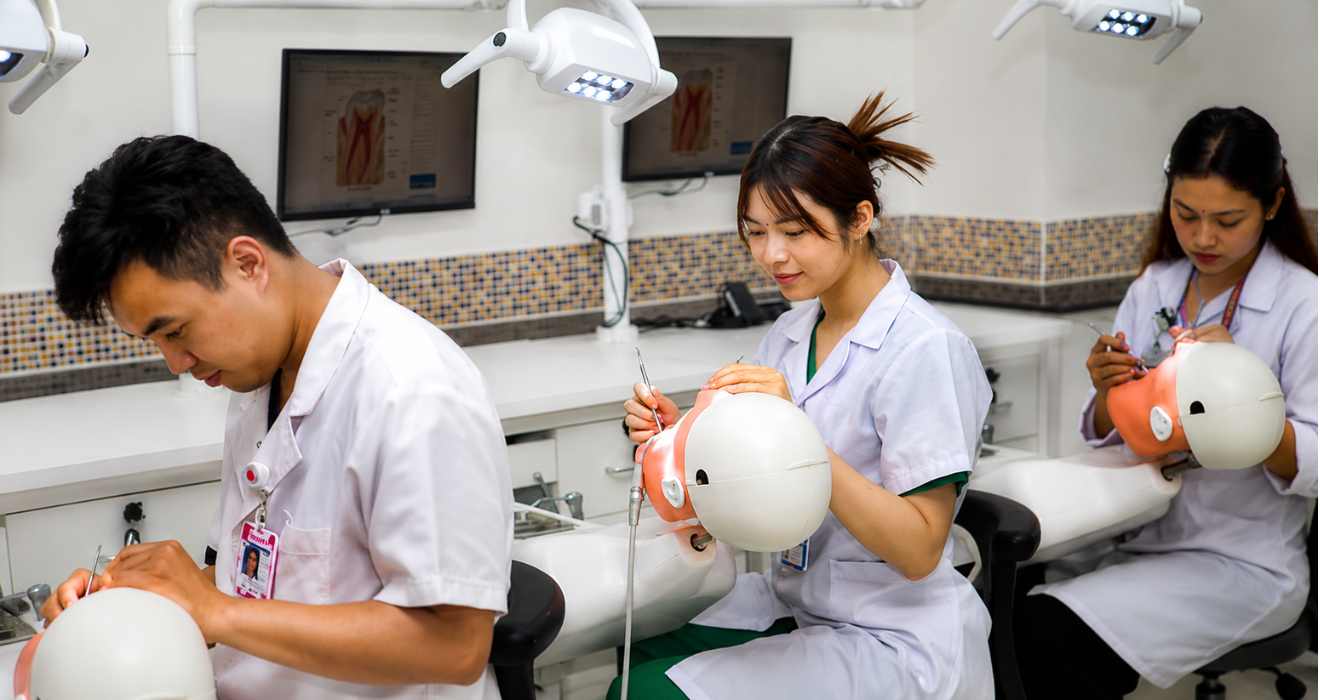
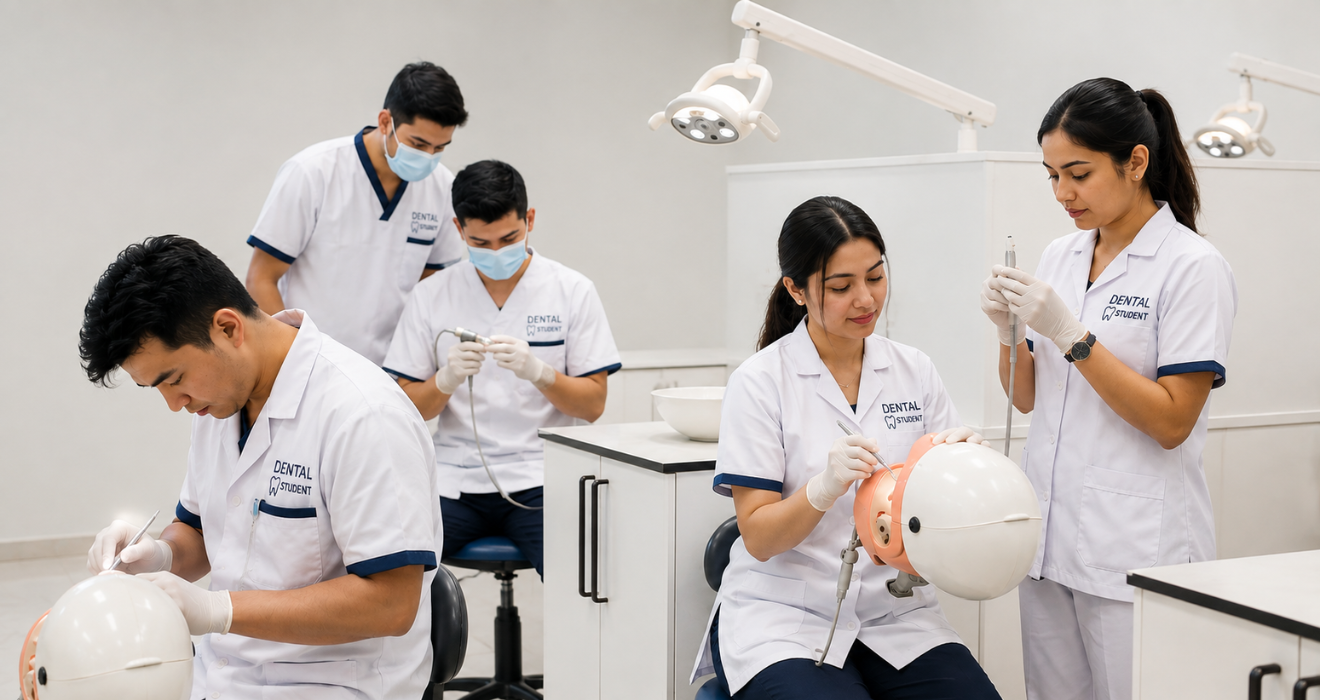
This is a highly practical course — over 80% of training time is spent on hands-on skill practice rather than classroom theory. You'll learn everything a dental chair-side assistant needs to know: preparing dental equipment and instruments, assisting the dentist during procedures ("four-handed dentistry"), managing and preparing patients, handling sterilization and infection control, developing dental X-rays, and responding to dental emergencies and first aid situations.
Trained dental chair-side assistants are in steady demand at dental clinics, hospitals, and health centers, making this course a fast, practical entry point into the dental healthcare field — even for those with no prior background in healthcare.
Course Details at a Glance
| Detail | Information |
|---|---|
| Course Name | Dental Chair-Side Assistant (DCA) |
| Affiliation | CTEVT (Government of Nepal) |
| Duration | 3 Months (390 Hours — 72 hrs theory + 318 hrs practical) |
| Eligibility | Minimum Class 10 (SEE) pass or equivalent |
| Age Requirement | Minimum 18 years, physically and mentally fit |
| Class Size | Maximum 20 trainees per batch |
| Medium of Instruction | Nepali and/or English |
| Attendance Requirement | Minimum 80% in theory classes and 90% in practical classes |
| Class Schedule | Morning / Afternoon / Evening / Weekend batches available |
| Time | Morning: 7:00 AM – 10:00 AM | Evening: 3:00 PM – 6:00 PM (update with actual timings) |
| Certificate Provided | CTEVT-recognized "Dental Chair-Side Assistant" Certificate |
| Training Type | Competency-based — 80%+ hands-on practical training |
| Trainer Qualification | Instructor: BDS (Bachelor of Dental Surgery); Demonstrator: Certificate in Dental Science (CDS) |
Who Should Join This Course?
This course is ideal for:
- School leavers (Class 10 / SEE pass) looking for a practical, job-oriented healthcare skill
- Individuals who want to work in dental clinics and hospitals without a long, expensive degree program
- People interested in a hands-on, patient-facing healthcare role
- Those looking for a stepping stone toward further dental or health science studies (such as Certificate in Dental Science/Dental Hygiene)
- Anyone seeking stable employment in a growing, essential healthcare field
What You Will Learn (Course Curriculum)
The official CTEVT curriculum is organized into 6 core modules plus a Common Module, combining trainer demonstration with extensive supervised hands-on practice. Below is a breakdown of what each module covers:
1. Precautions, Cleanliness and Waste Disposal
- Universal precautions — immunization, hand hygiene, safety wear (apron, mask, gloves, eyewear), sharps management
- Maintaining a clean, ventilated, and disinfected dental clinic
- Segregating, labeling, and safely disposing of clinical waste (sharps, infectious waste, mercury, contaminated materials)
2. Dental Equipment, Instruments and Materials
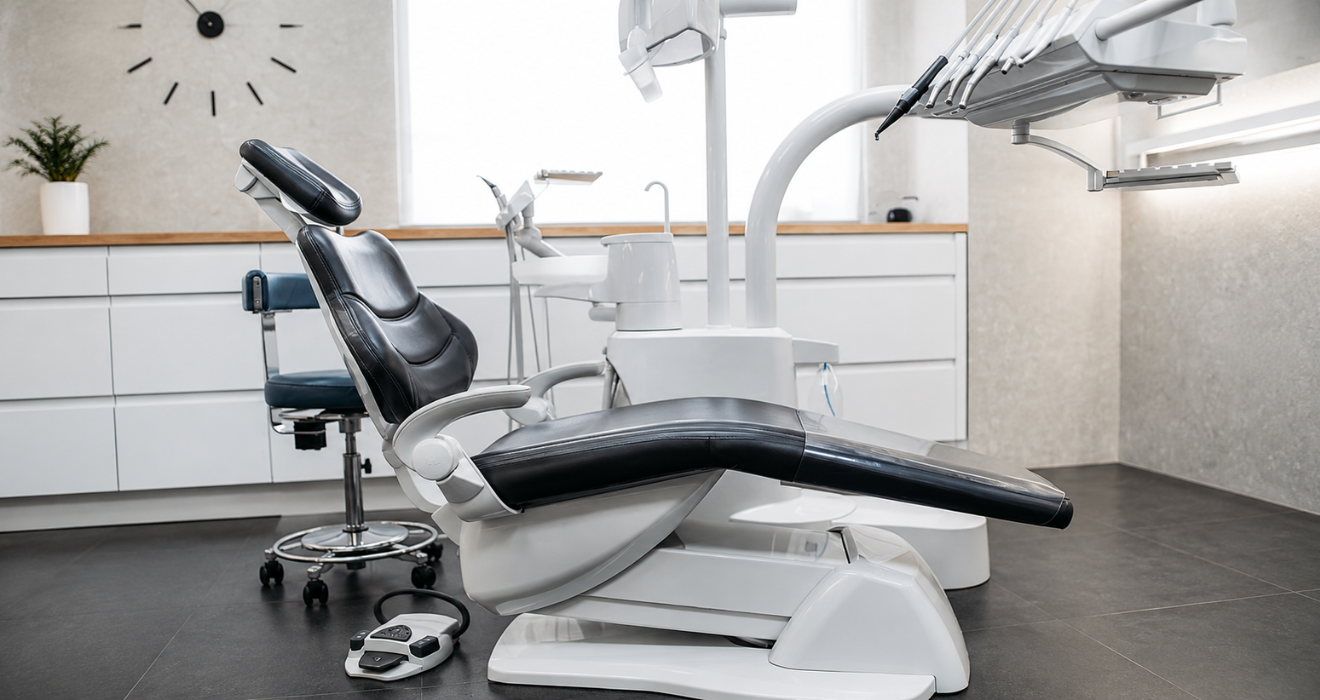
- Preparing dental chairs, units, compressors, ultrasonic machines, suction machines, autoclaves, and X-ray machines
- Preparing diagnostic, restorative, endodontic, surgical, periodontal, orthodontic, prosthodontic, and pedodontic instruments
- Preparing dental materials — cements, anesthesia syringes, medicaments, polishing paste, and disinfectants
- Manipulating/mixing dental materials — alginate, dental plaster, dental stone, amalgam, glass ionomer cement, and more
3. Assistance Works
- Managing patient appointments and flow, including medically compromised, elderly, and pediatric patients
- Preparing patients for procedures — positioning, draping, rinsing solutions, lighting
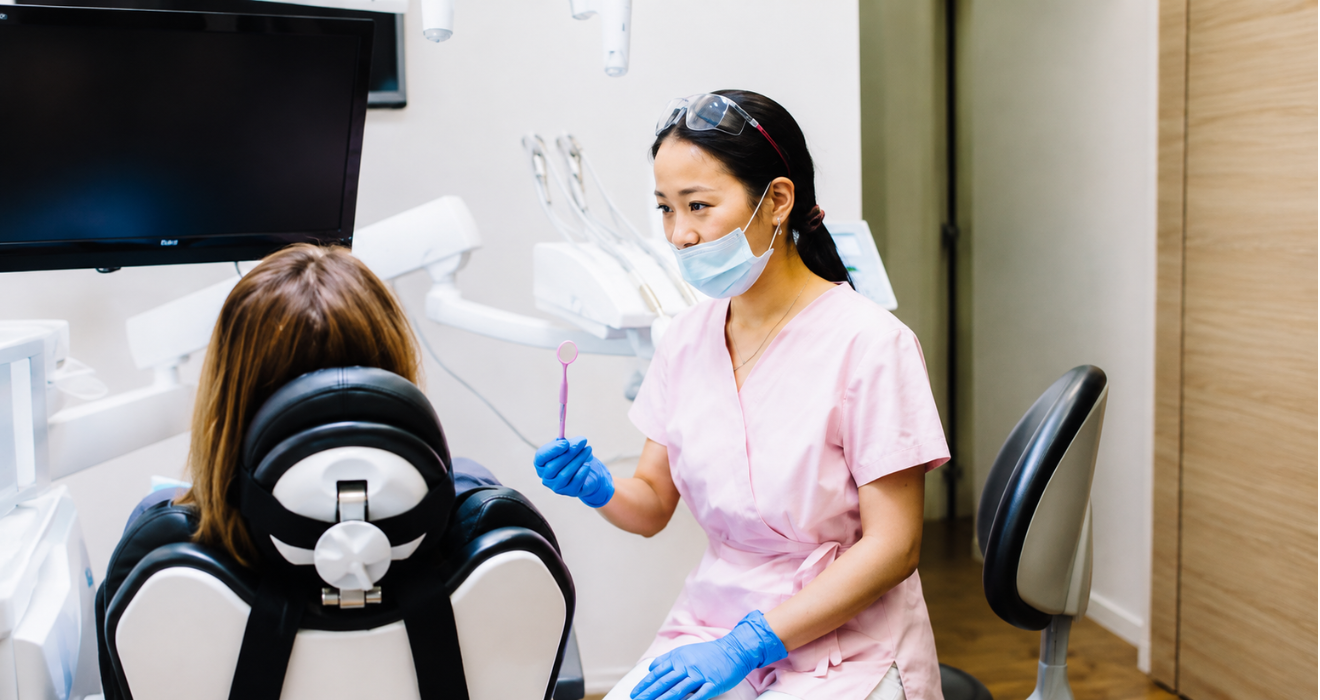
- Assisting the dentist/dental hygienist directly — holding suction tips, passing instruments and materials, four-handed dentistry, patient transfer, assisting at dental camps
- Assisting in developing dental X-rays — preparing film, developing/fixing solutions, lead apron safety, and X-ray unit disinfection
4. Pre- and Post-Operative Instructions
- Advising patients on dos and don'ts for scaling, restorations, extractions, prosthesis care, and medically compromised conditions
5. Sterilization and Disinfection
- Sterilizing all categories of dental instruments (diagnostic, restorative, surgical, orthodontic, periodontic, endodontic, pedodontic)
- Preparing high-level disinfectants and properly storing sterilized instruments/materials
6. Preventive Maintenance
- Routine maintenance of the dental chair unit, handpieces, and instruments
- Preventing rust, checking autoclaves/boilers, and general clinic equipment upkeep
Common Module (Cross-Cutting Skills)
- Applied Math — calculations relevant to clinic operations (billing, measurements, percentages, etc.)
- Occupational Health & Safety — identifying and preventing workplace hazards
- First Aid — dressings, bandages, wound care, burns, fractures, bites, and emergency response, including assisting in dental-specific emergencies (syncope, post-extraction hemorrhage, maxillofacial trauma, etc.)
- HIV/AIDS Awareness — transmission, prevention, and safety measures
- Communication — professional communication with patients, dentists, colleagues, and handling correspondence, reports, and job applications
- Small Enterprise Development — basics of entrepreneurship and business planning, for those interested in self-employment
Where You Can Work
After completing this course, graduates are equipped to work as:
- Dental Chair-Side Assistant in private dental clinics
- Dental Assistant in hospitals and health centers with dental departments
- Support staff in dental camps and outreach programs
- A foundation role for those planning to pursue further studies in Dental Science / Dental Hygiene or related health science fields
Skilled dental assistants are consistently needed as dental clinics and hospitals expand across Nepal, making this a practical and reliable career path.
Why Choose Us?
At Mero Hospital, we train you the way this profession actually works — hands-on, inside a real dental setup, under qualified dental professionals, so you walk out ready to assist confidently from your very first day on the job. Here's what makes our training different:
- CTEVT-Affiliated & Government-Recognized certificate
- Trainers with real dental/clinical qualifications (BDS instructors, CDS demonstrators)
- 80%+ hands-on practical training using real dental chairs, equipment, and instruments
- Small batch sizes for focused, individual attention
- Flexible schedules — Morning, Afternoon, Evening, and Weekend batches
- Career guidance and job placement support after course completion
Get professional nursing support at home.
Call +977 9801819111 or book online today.
Mero Hospital – Nursing Care Without Compromise.
Your recovery, our round-the-clock responsibility.
No. This course is open to anyone with a minimum of Class 10 (SEE) pass who is at least 18 years old — no prior dental experience is required.
The course runs for 3 months, totaling 390 hours (72 hours theory + 318 hours hands-on practical training).
Yes, as per CTEVT guidelines, applicants must pass the institution's entrance examination to be admitted.
The vast majority — official CTEVT guidelines require at least 80% of training time to be spent on practical, hands-on skill performance rather than classroom theory.
A minimum of 80% attendance in theory classes and 90% in practical classes is required to be eligible for internal assessment and final examinations.
You'll be qualified to work as a Dental Chair-Side Assistant in dental clinics, hospitals, and health centers, assisting dentists and dental hygienists directly during patient care and procedures.