Wisdom Tooth Removal in Nepal: Signs You Need Extraction
Wisdom tooth removal in Nepal is one of the most common minor oral surgeries performed on people between the ages of 17 and 25 — the age range when third molars typically try to erupt. Not every wisdom tooth needs to come out, but when there isn’t enough room for it to grow properly, it can quietly cause damage for months before the pain becomes obvious.
This guide covers the clear signs that mean it’s time for wisdom tooth removal in Nepal, what the procedure actually involves, and what happens if it’s left too long.
What Are Wisdom Teeth and Why Do They Cause Problems?
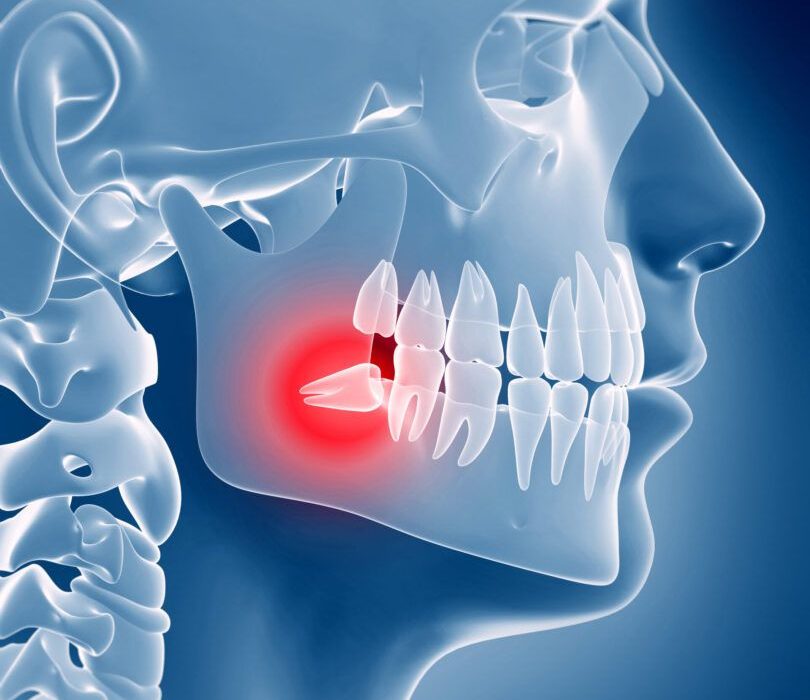
Wisdom teeth, or third molars, are the last set of teeth to develop, usually emerging at the very back of the jaw. Most jaws simply don’t have enough space to accommodate them alongside the rest of the teeth. When there isn’t enough room, wisdom teeth can:
- Grow at an angle instead of straight up
- Get trapped partially or fully under the gum (“impacted”)
- Push against neighboring molars, causing crowding or damage
- Create a partial opening in the gum where food and bacteria collect
This is why wisdom teeth cause problems far more often than any other tooth in the mouth.
Signs You Need Wisdom Tooth Removal
Not every wisdom tooth needs extraction — some erupt fully and function normally. But you should get evaluated if you notice:
- Persistent pain at the back of the jaw, especially if it comes and goes over weeks
- Swelling or tenderness in the gums behind the last molar
- Difficulty opening your mouth fully or pain while chewing
- Bad breath or an unpleasant taste that doesn’t go away with brushing, often a sign of trapped food and bacteria around a partially erupted tooth
- Red or bleeding gums around the back of the jaw
- Headaches or jaw stiffness radiating from the back of the mouth
- Crowding or shifting of nearby teeth
- Visible partial eruption — a tooth that’s only partly poked through the gum
- Repeated infections (pericoronitis) in the same area
If you’re experiencing several of these signs together, it’s a strong indication that a dental evaluation and possible wisdom tooth removal in Nepal is needed.
Types of Wisdom Tooth Impaction
- Fully impacted: the tooth is completely trapped under the gum and bone, not visible at all
- Partially impacted: part of the tooth has broken through the gum, leaving an opening prone to infection
- Angled impaction: the tooth is growing sideways or at an angle, pressing into the neighboring molar
- Fully erupted but crowded: the tooth has emerged normally but is causing crowding or bite problems
The type of impaction directly affects how complex the extraction will be — fully impacted teeth generally require a more involved surgical procedure than a fully erupted one.
What Happens If You Ignore the Signs
Delaying wisdom tooth removal when it’s genuinely needed doesn’t make the problem disappear. Left untreated, problematic wisdom teeth can lead to:
- Spreading infection and abscess formation
- Damage to the roots of the adjacent molar
- Cysts forming around an impacted tooth, which can affect the jawbone over time
- Chronic bad breath and gum disease localized to the area
- Worsening crowding of nearby teeth
Wisdom Tooth Removal Procedure: What to Expect
- Examination and imaging — an X-ray or CBCT scan is used to assess the tooth’s position and root structure
- Local anesthesia — the area is fully numbed; sedation may be offered for more complex or anxious cases
- Extraction — a simple extraction for fully erupted teeth, or a minor surgical procedure (small incision, possible sectioning of the tooth) for impacted ones
- Stitches and gauze — placed if needed to control bleeding and support healing
- Post-operative instructions — medication, dietary guidance, and a follow-up visit
Simple extractions typically take under 30 minutes, while surgical removal of impacted teeth can take longer depending on complexity.
Wisdom Tooth Removal Cost in Nepal
Cost depends heavily on whether the tooth is fully erupted or impacted, since impacted extractions require more surgical work. Based on current pricing across Kathmandu Valley dental clinics:
| Extraction Type | Approximate Cost (NPR) |
|---|---|
| Simple extraction (fully erupted) | 1,500 – 4,500 |
| Surgical extraction (partially impacted) | 5,000 – 12,500 |
| Surgical extraction (fully impacted) | 12,500 – 25,500 |
Prices vary by clinic, the surgeon’s expertise, and whether imaging (X-ray/CBCT) and follow-up care are included. Always ask for a full written estimate before the procedure.
Recovery and Aftercare
- Mild swelling and discomfort for 2–3 days is normal and manageable with prescribed pain relief
- Use ice packs on the outside of the jaw during the first 24 hours to reduce swelling
- Stick to soft foods and avoid hot liquids for the first day or two
- Avoid using a straw, smoking, or spitting forcefully — these can dislodge the healing blood clot and cause a painful “dry socket”
- Gently rinse with warm salt water starting the day after surgery to keep the area clean
- Most people return to normal activity within 3–5 days, though full healing of the gum takes several weeks
According to the American Association of Oral and Maxillofacial Surgeons, most wisdom tooth complications — including infection and impaction-related damage — are preventable with timely evaluation and removal when indicated, rather than waiting for symptoms to become severe.
When to See a Dentist or Oral Surgeon in Nepal
Book an evaluation for wisdom tooth removal in Nepal if you notice recurring pain, swelling, or infection at the back of your jaw, or if a routine dental X-ray shows an impacted tooth even without symptoms yet — some impacted teeth are best removed proactively before they cause damage.
How Mero Hospital Can Help
Mero Hospital supports patients through the full process of wisdom tooth removal in Nepal, from diagnosis to recovery:
- Dental Consultation — evaluation, X-rays, and extraction performed by experienced dentists
- Online OPD — for an initial consultation if you’re experiencing jaw pain and aren’t sure whether it’s wisdom-tooth related
- Home Sample Collection — for pre-procedure blood tests when needed
- Doctor On Call — for broader medical support alongside dental care, especially for patients with existing health conditions
If you’re experiencing pain, swelling, or crowding at the back of your jaw, book an appointment with Mero Hospital or call +977 9801819111.
Frequently Asked Questions
How do I know if my wisdom tooth needs to be removed? Persistent pain, swelling, difficulty opening your mouth, bad breath, or repeated infections near the back of your jaw are the clearest signs. An X-ray can confirm whether the tooth is impacted or likely to cause future problems.
Is wisdom tooth removal painful? The procedure itself is performed under local anesthesia and is not painful. Some swelling and discomfort for a few days afterward is normal and manageable with prescribed medication.
Do all wisdom teeth need to be removed? No. Wisdom teeth that erupt fully, align properly, and don’t cause crowding, pain, or infection can often be left in place with regular monitoring.
How long does recovery take after wisdom tooth removal? Most people return to normal daily activities within 3–5 days, though complete healing of the gum and extraction site can take a few weeks.
What is a dry socket and how do I avoid it? A dry socket happens when the blood clot at the extraction site is dislodged too early, exposing bone and causing significant pain. Avoiding straws, smoking, and forceful spitting in the first few days significantly reduces this risk.
Can an impacted wisdom tooth cause problems even without pain? Yes. Some impacted teeth cause silent damage — pressure on neighboring roots, cyst formation, or gum disease — without noticeable pain until the problem has progressed. This is why dentists often recommend removal based on X-ray findings alone.