
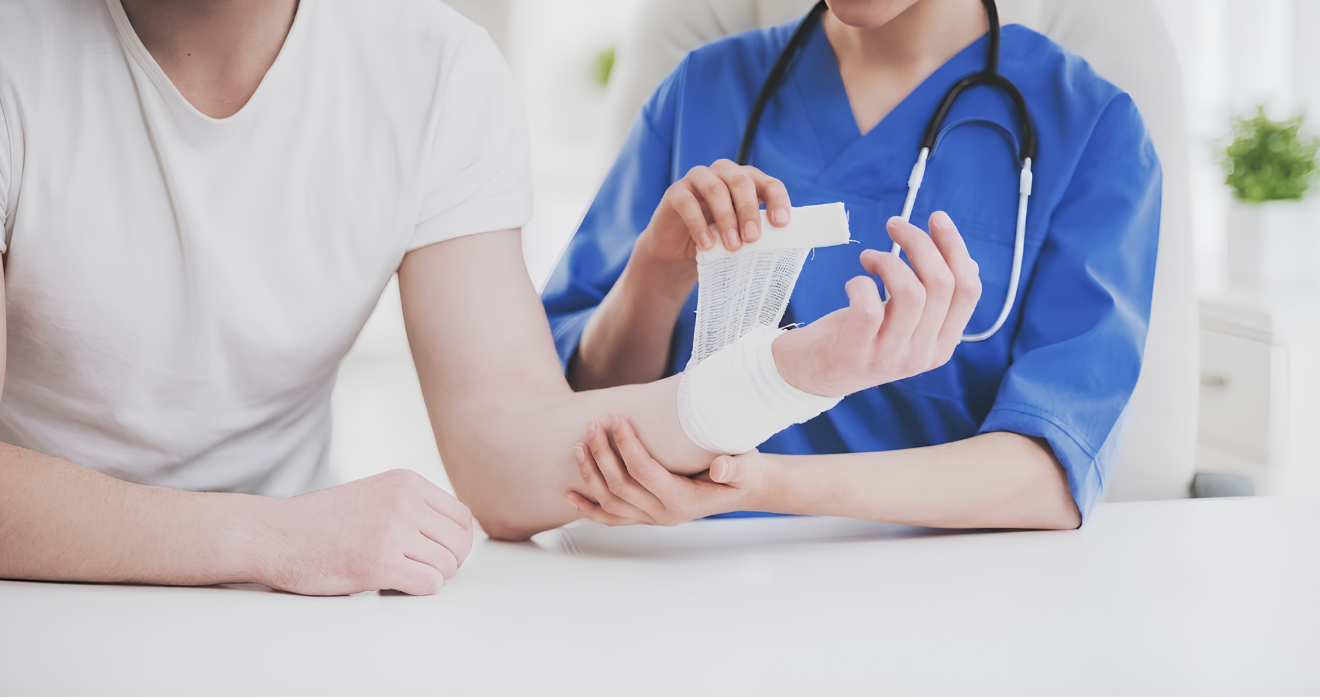
Wound Dressing at Home in Kathmandu
Medically reviewed perspective by the Home Nursing team, Mero Hospital, Kathmandu
Has a doctor ever told you to “keep the wound clean and change the dressing regularly,” and you weren’t quite sure how to do that safely? You’re not alone. Whether it’s a surgical incision, a diabetic ulcer, a bedsore, or an injury from an accident, proper wound care directly affects how quickly — and how safely — a wound heals. Get it wrong, and a minor wound can turn into a serious infection. Get it right, and most wounds heal cleanly without ever needing a hospital readmission.
That’s exactly why more families across Kathmandu now book professional wound dressing at home instead of relying on guesswork or repeated hospital visits. In this guide, we’ll walk through what proper wound dressing actually involves, who needs it most, and why a trained nurse makes a real difference in your recovery.
Why Wound Dressing Isn’t a “Just Wing It” Task
At first glance, changing a bandage might seem simple. However, proper wound care actually involves several important steps: cleaning the wound without introducing new bacteria, choosing the right dressing material for the wound type, monitoring for early signs of infection, and knowing when a wound needs a doctor’s attention instead of just a fresh bandage. Miss any of these steps, and healing can slow down significantly — or worse, an infection can set in.
This is precisely why doctors recommend professional wound care for:
- Post-surgical incisions
- Diabetic foot ulcers
- Bedsores (pressure ulcers) in bedridden or elderly patients
- Burns
- Deep cuts or accident injuries
- Chronic, slow-healing wounds
Signs You Shouldn’t Handle Wound Care Alone
Sometimes a small cut really is just a small cut, and a simple bandage at home is enough. Other times, though, the situation calls for professional care. Watch for these warning signs:
- Increasing redness, swelling, or warmth around the wound
- Pus or a foul odor from the wound
- Fever alongside a wound that isn’t healing
- A wound that keeps reopening or won’t close
- Diabetes or poor circulation, which slows healing significantly
- A wound located somewhere hard to reach or clean yourself
Quick answer: If a wound shows redness, pus, fever, or simply isn’t healing after a few days, stop self-treating and call a professional. Left untreated, these signs often point to an infection that needs prompt medical attention.
What Professional Wound Dressing at Home Involves
When you book a home nursing visit with Mero Hospital, here’s what to expect:
- Assessment – The nurse first examines the wound and checks for any signs of infection or delayed healing.
- Cleaning – Next, they clean the wound using sterile technique to remove debris and reduce infection risk.
- Dressing selection – Depending on the wound type, they apply the right dressing material — whether that’s gauze, hydrocolloid, or a specialized dressing for diabetic or pressure wounds.
- Monitoring – Throughout the visit, the nurse tracks healing progress and flags any concerns to your doctor.
- Education – Finally, they guide your family on basic care between visits, so you feel confident, not anxious, about the process.
Who Benefits Most From Home Wound Care in Kathmandu?
- Post-surgery patients recovering at home who need regular dressing changes without repeat hospital trips
- Elderly or bedridden patients at risk of pressure ulcers
- Diabetic patients with foot ulcers, since diabetes significantly slows wound healing and raises infection risk
- Busy families who can’t easily transport a patient to a clinic every few days
- Anyone recovering from burns or deep wounds that need consistent, sterile care
Get Professional Wound Dressing at Home in Kathmandu
Mero Hospital’s 24/7 Nursing service brings trained, professional wound care directly to your doorstep anywhere in the Kathmandu Valley. Whether you’re recovering from surgery, managing a diabetic wound, or caring for a bedridden family member, our nurses handle dressing changes safely and consistently — so you don’t have to guess, and your wound doesn’t have to wait. If you’re recovering from a recent operation, you may also find our guide on post-surgery home care in Kathmandu useful, and our doctor-on-call service is available if a wound needs a physician’s review.
Frequently Asked Questions
How often should a wound dressing be changed? It depends on the wound type and how much it’s draining, but most dressings need changing every 1 to 3 days. Your nurse or doctor will recommend a specific schedule for your wound.
Can I do wound dressing myself at home? For minor cuts, yes. However, surgical wounds, diabetic ulcers, bedsores, and deep injuries heal better and more safely with a trained nurse, since improper technique can lead to infection.
What are the signs of a wound infection? Increasing redness, swelling, warmth, pus, a foul smell, and fever are all signs of infection. If you notice any of these, contact a healthcare professional right away.
Is home wound dressing available in Kathmandu? Yes. Mero Hospital’s home nursing team provides professional wound dressing services anywhere in the Kathmandu Valley, on a schedule that fits your recovery needs.
Why do diabetic wounds need extra care? Diabetes reduces blood flow and slows the body’s natural healing process, which raises the risk of infection. As a result, diabetic wounds need more frequent monitoring and specialized dressing techniques.