High Blood Pressure : Silent Symptoms You Shouldn’t Ignore
Quick answer: High blood pressure (hypertension) affects roughly 1 in 4 adults in Nepal, and it’s rising fast — yet most people with it feel completely normal. It’s called the “silent killer” because it rarely causes obvious symptoms until it has already damaged the heart, kidneys, or brain. The only reliable way to catch it early is a blood pressure check — not waiting for warning signs.
Nearly every family in Kathmandu knows someone — a father, an uncle, a grandmother — who was “suddenly” diagnosed with high blood pressure during a routine checkup, or worse, after a stroke or heart attack. The truth is, it was never sudden. Hypertension usually builds quietly for years, often without a single symptom loud enough to send someone to a doctor. This guide explains what to actually watch for, why Nepal’s hypertension numbers are climbing, and what to do about it before it becomes an emergency.
What Is High Blood Pressure, Exactly?
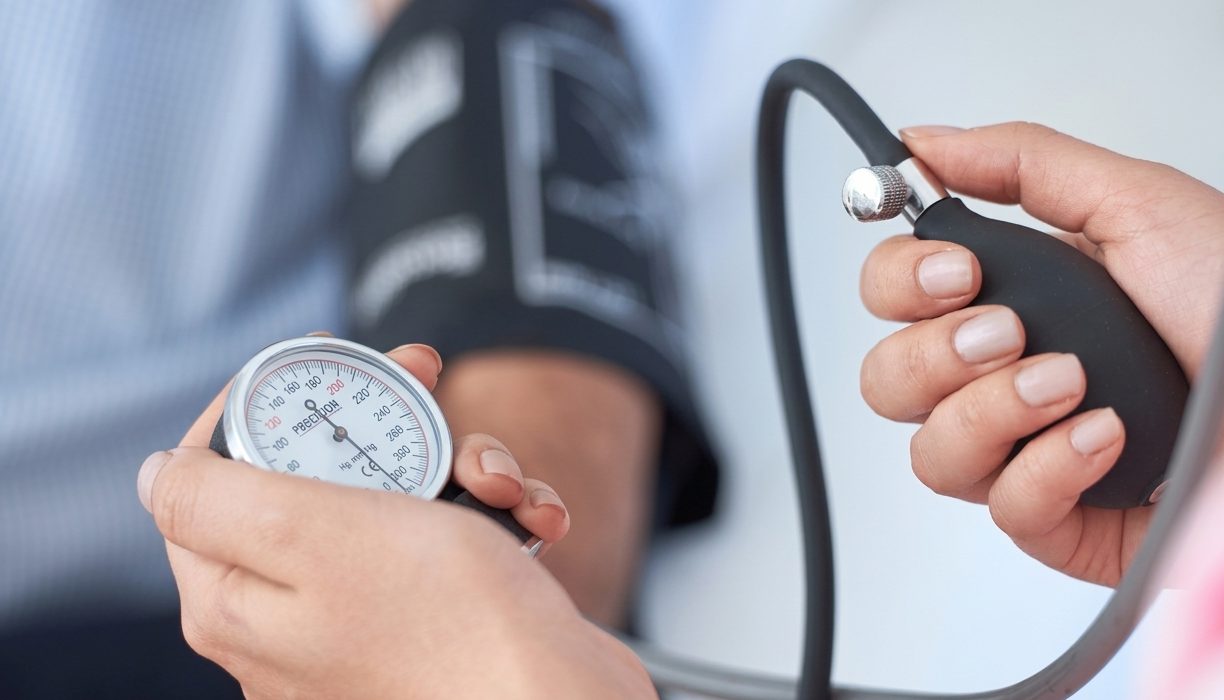
Blood pressure is the force of blood pushing against your artery walls as your heart pumps. It’s recorded as two numbers — systolic (pressure when the heart beats) over diastolic (pressure when the heart rests between beats).
| Category | Systolic (mmHg) | Diastolic (mmHg) |
|---|---|---|
| Normal | Below 120 | Below 80 |
| Elevated | 120–129 | Below 80 |
| Stage 1 Hypertension | 130–139 | 80–89 |
| Stage 2 Hypertension | 140 or higher | 90 or higher |
| Hypertensive Crisis (emergency) | Above 180 | Above 120 |
A single high reading doesn’t mean you have hypertension — it’s diagnosed when elevated readings are confirmed on separate occasions. But if you’ve never had it checked, you genuinely don’t know which category you’re in.
Why Hypertension Is Rising So Fast in Nepal
This isn’t a minor issue — the numbers show a clear upward trend:
- Nepal’s national hypertension prevalence rose from about 21.5% in 2007 to 24.5% in 2019, according to the WHO STEPS survey conducted by the Nepal Health Research Council.
- A pooled analysis of over 20 Nepali studies found hypertension prevalence as high as 28.4% in urban areas — meaning city dwellers, including much of the Kathmandu Valley, are at even higher risk than the national average.
- Public health researchers project prevalence could reach roughly 32.5% by 2025, while awareness, treatment, and control rates continue to lag behind.
Several factors specific to urban Nepali life are driving this:
- High salt intake — pickles (achar), dried fish (sukuti), instant noodles, and salty snacks are dietary staples but are also major sodium sources.
- Sedentary desk jobs and long commutes — hours spent sitting in Kathmandu’s traffic instead of moving.
- Rising obesity and shifting diets — more processed and fried food, less home-cooked vegetables.
- Tobacco and alcohol use, which are both independently linked to higher blood pressure.
- Low awareness and irregular checkups — many Nepalis only get their BP checked when they visit a doctor for something else entirely.
Why It’s Called the “Silent Killer”
The dangerous part of hypertension isn’t the number itself — it’s that your body rarely complains loudly about it. Blood vessels can tolerate elevated pressure for years while quietly sustaining damage to the heart, kidneys, brain, and eyes. Many people feel completely fine right up until a serious event — a stroke, heart attack, or kidney failure — reveals how long the pressure had actually been high.
This is exactly why relying on “how you feel” is not a safe strategy. Feeling fine and having normal blood pressure are not the same thing.
Subtle Symptoms People Often Dismiss
While hypertension is often symptom-free, some people do experience vague signs — the problem is these are easy to blame on something else entirely:
- Mild, recurring headaches, especially at the back of the head, often dismissed as stress or lack of sleep
- Slight dizziness or lightheadedness, especially when standing up quickly
- Unusual fatigue, even after adequate rest
- Blurred vision or seeing spots occasionally
- Mild shortness of breath during everyday activity that didn’t used to cause it
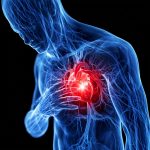
- A pounding sensation in the chest or neck, mistaken for anxiety or gas
- Nosebleeds that happen more often than usual, particularly in older adults
None of these symptoms are unique to high blood pressure, which is exactly the problem — they’re vague enough that people rarely connect the dots until a checkup reveals the real cause.
When It’s a Medical Emergency
Unlike the silent, gradual form of hypertension, a hypertensive crisis has unmistakable warning signs and needs immediate medical attention. Seek emergency care right away if a very high reading is paired with:
- Severe headache unlike any before
- Chest pain or pressure
- Difficulty breathing
- Numbness, weakness, or drooping on one side of the face or body
- Difficulty speaking or confusion
- Vision loss
- Severe anxiety with a pounding heartbeat
These can signal an impending stroke, heart attack, or organ damage, and require urgent care — not a wait-and-see approach.
Who’s Most at Risk in Nepal
- Adults over 40, though cases in people in their 30s are increasingly common
- People with a family history of hypertension, heart disease, or stroke
- Those who are overweight or carry weight around the abdomen
- Smokers and regular alcohol drinkers
- People with diabetes or high cholesterol
- Anyone with a high-salt diet or a mostly sedentary lifestyle
- Pregnant women (a distinct condition — gestational hypertension — that needs separate monitoring)
- People under chronic stress, including long work hours and financial pressure common in urban Nepal
If two or more of these apply to you, a blood pressure check should be part of your routine — not something you wait to be told to do.
How Often Should You Get Checked?
- Adults with normal BP: at least once every 1–2 years
- Adults with elevated BP or risk factors: every 3–6 months, or as advised by a doctor
- Diagnosed hypertensive patients: regular monitoring as prescribed — often weekly or even daily at home during treatment adjustment
A blood pressure check takes under two minutes and requires no special preparation, which makes it one of the easiest and highest-value tests in preventive healthcare.
Managing and Preventing High Blood Pressure at Home in Kathmandu
The good news: hypertension is one of the most manageable chronic conditions when caught early.
- Cut back on salt gradually — reduce achar, processed snacks, and instant noodles rather than eliminating them overnight
- Move daily — even a 30-minute walk most days measurably lowers blood pressure over time
- Limit alcohol and quit tobacco — both directly raise blood pressure and strain the heart
- Manage weight, particularly abdominal fat
- Monitor at home with a validated digital BP monitor, especially if you’re over 40 or have risk factors
- Take medications consistently if prescribed — stopping or skipping doses is one of the most common reasons for poor control
- Manage stress through sleep, breaks, and realistic workloads where possible
For families managing an elderly parent’s hypertension, or anyone who finds it difficult to visit a clinic regularly, home-based options make consistent monitoring realistic: Mero Hospital’s Doctor on Call and 24/7 Nursing services include blood pressure monitoring, medication management, and follow-up at home, while the Cardiology OPD and diagnostic ECG and blood test services support a full workup when needed — without the added stress of hospital queues.
Frequently Asked Questions
Can high blood pressure be cured completely? Usually not “cured,” but it can be very effectively controlled through lifestyle changes and, when needed, medication — to the point where it poses little ongoing risk.
Can young people get high blood pressure? Yes. While risk increases with age, hypertension is increasingly diagnosed in Nepalis in their 20s and 30s, largely linked to diet, stress, and inactivity.
Is home blood pressure monitoring accurate? Yes, provided you use a validated digital upper-arm monitor and follow correct technique (seated, arm supported, no talking, same time of day).
Does stress alone cause high blood pressure? Stress can cause temporary spikes, and chronic stress contributes to sustained high blood pressure over time, but it’s usually one factor among several rather than the sole cause.
What’s the difference between hypertension and a hypertensive crisis? Hypertension is a chronic, usually symptom-free condition. A hypertensive crisis is a sudden, severe spike (often above 180/120 mmHg) accompanied by acute symptoms like chest pain or confusion, and it requires emergency treatment.