
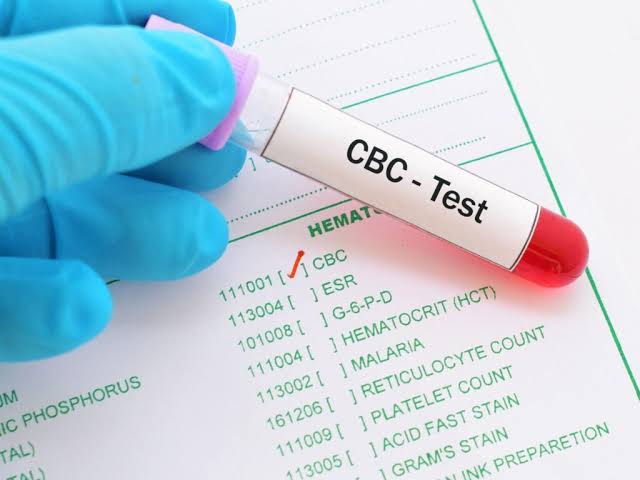
CBC Test (Complete Blood Count) in Kathmandu: What It Checks, Cost & How to Read Your Report
Medically reviewed perspective by the Pathology & Diagnostic team, Mero Hospital, Kathmandu
Do you feel unusually tired these days? Are you catching infections often, or noticing bruises that appear without a clear reason? If so, your doctor will probably order one test before anything else: a CBC, or Complete Blood Count. It’s the most common blood test doctors request worldwide, and for good reason — within a few hours, it can tell your doctor whether you have anemia, whether your body is fighting an infection, or whether you face a higher bleeding risk. Best of all, getting a CBC test in Kathmandu no longer means standing in a queue at a diagnostic center. Instead, Mero Hospital sends a phlebotomist straight to your doorstep and delivers your digital report the same day.
So, what exactly does this guide cover? First, we’ll explain what a CBC test in Kathmandu actually measures. Next, we’ll walk through what the normal ranges mean, how much the test costs, and when your doctor is likely to order one.
What Is a CBC Test?
A Complete Blood Count measures the three main types of cells in your blood: red blood cells (RBCs), white blood cells (WBCs), and platelets. Along with these, the test also reports related values like hemoglobin and hematocrit. Since these cells power almost every major body function — carrying oxygen, fighting infection, and clotting blood — a CBC gives your doctor a fast, broad snapshot of your overall health.
In fact, doctors often order a CBC as the very first test during a routine checkup, before surgery, or during pregnancy. Similarly, if you report symptoms like fatigue, fever, or unexplained bruising, your doctor will likely start here too.
What Does a CBC Test Measure?
| Parameter | What It Means | Typical Normal Range (Adults) |
|---|---|---|
| Hemoglobin (Hb) | Protein in RBCs that carries oxygen | Men: 13.5–17.5 g/dL · Women: 12–15.5 g/dL |
| RBC Count | Number of red blood cells | 4.5–5.9 million/µL (men) · 4.1–5.1 million/µL (women) |
| Hematocrit (HCT) | % of blood volume made up of RBCs | 41–53% (men) · 36–46% (women) |
| WBC Count | Number of infection-fighting white cells | 4,000–11,000 cells/µL |
| Platelet Count | Cells responsible for blood clotting | 150,000–450,000/µL |
| MCV, MCH, MCHC | Size and hemoglobin content of RBCs | Varies — used to classify types of anemia |
Reference ranges can vary slightly between labs — always interpret your report alongside your doctor’s advice, not in isolation.
Why Would Your Doctor Order a CBC?
Doctors usually order a CBC test when you experience:
- Persistent fatigue, weakness, or paleness (possible anemia)
- Fever, frequent infections, or unexplained inflammation
- Easy bruising, prolonged bleeding, or tiny red spots on the skin
- A routine annual health checkup or pre-surgery clearance
- Pregnancy monitoring
- Follow-up for a known blood disorder or ongoing treatment (e.g., chemotherapy)
Quick answer: Low Hemoglobin and RBC counts usually point to anemia. Meanwhile, a high WBC count often means your body is fighting an infection or inflammation. On the other hand, a low platelet count can raise your bleeding risk, so it needs prompt medical follow-up.
How to Prepare for a CBC Test
Here’s the good news: a CBC test usually does not require fasting. So, you can eat and drink normally beforehand. However, if your doctor also orders other tests alongside it — like a lipid profile or fasting blood sugar — the fasting instructions for those tests will still apply. Additionally, wearing a short-sleeved top makes the sample collection quicker and more comfortable.
CBC Test Cost in Kathmandu
Several factors affect CBC test pricing in Kathmandu: the lab you choose, whether you visit in person or book a home sample collection, and whether the test comes bundled into a larger health package. Generally, though, a standalone CBC test remains one of the most affordable diagnostic tests available. For an exact, up-to-date price, simply book your CBC test with Mero Hospital, and our home sample collection team will confirm pricing when you schedule.
Get Your CBC Test Done From Home in Kathmandu
Why wait in a lab queue when you don’t have to? Mero Hospital’s home sample collection service sends a trained phlebotomist straight to your doorstep, anywhere in the Kathmandu Valley. From there, our certified partner lab processes your sample and shares your digital report with you — often the same day. Better yet, you can also book an online doctor consultation to review the results together.
If you’re due for a broader annual full body checkup, consider this too: Mero Hospital includes CBC in both its Basic and Advanced Wellness Packages, alongside other essential screenings like blood sugar, kidney and liver function, and thyroid profile.
Frequently Asked Questions
Is fasting required before a CBC test?
No, fasting is not required for a standalone CBC test. You can eat and drink normally beforehand.
How long does it take to get CBC results in Kathmandu?
Most labs, including Mero Hospital’s partner labs, deliver CBC reports within the same day, often within a few hours of sample collection.
Can a CBC test detect cancer?
A CBC alone cannot diagnose cancer, but abnormal white blood cell or platelet counts can prompt your doctor to recommend further tests if something looks concerning.
What does a low hemoglobin level mean?
A low hemoglobin level usually indicates anemia, which can result from iron deficiency, blood loss, chronic disease, or other underlying conditions your doctor will help identify.
Can I get a CBC test done at home in Kathmandu?
Yes. Mero Hospital offers home sample collection for CBC and other blood tests anywhere in the Kathmandu Valley — a trained professional visits your home to collect the sample.