
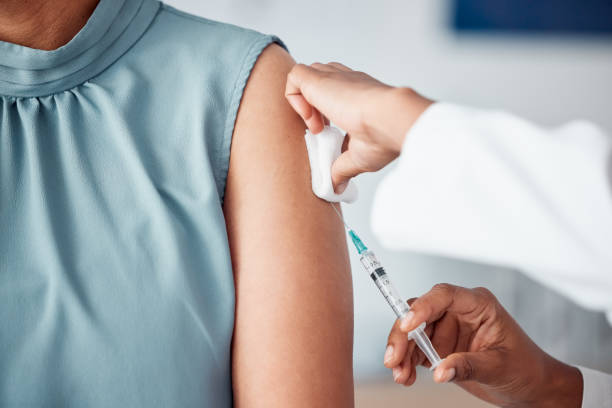
Best Time to Get a Flu Shot in Nepal: Complete Guide
Most people don’t ask whether to get a flu shot. They ask when. Good timing makes all the difference. Get vaccinated at the right time, and you build strong protection before flu season hits. Wait too long, and you’re playing catch-up after cases have already started spreading near you.
This guide covers flu patterns in Nepal, the ideal vaccination window, and how to plan ahead. Follow it, and you’ll keep your family protected all season.
Understanding Flu Season in Nepal
Nepal doesn’t have one sharply defined winter like some countries do. Still, flu activity follows a clear pattern. Cases usually rise as temperatures drop. They stay high through the coldest weeks of the year.
Nepal’s climate varies a lot by region. The Terai, the hills, and the mountains each see slightly different patterns. But one trend holds true almost everywhere: flu cases climb during the cooler months.
This is why timing matters so much. Vaccinate too late, and you might already face exposure before your immunity has time to build.
Why Timing Matters for Flu Vaccination
Your body needs time to build antibodies after you get the flu vaccine. This process takes about two weeks. If you wait until flu cases are already widespread, you leave yourself exposed during that gap.
Get vaccinated early instead. You’ll give your immune system a head start. That means you’re protected right as flu activity starts to climb.
So, When Is the Best Time to Get Vaccinated?
Aim for the weeks before flu season peaks. Don’t wait until winter is already in full swing. For most people in Nepal, this means getting vaccinated as autumn shifts into winter. That timing gives your body enough lead time to build immunity before your exposure risk rises.
Key takeaway: Don’t wait for flu cases to show up in your family or workplace. By then, your window for optimal protection has already narrowed.
Is It Ever “Too Late” to Get Vaccinated?
Not necessarily. Flu season may have already started in your area — you can still benefit from vaccination. The flu vaccine helps for as long as influenza keeps circulating. Late vaccination still beats skipping it altogether.
Who Should Prioritize Early Vaccination?
Everyone benefits from timely vaccination. But some groups should move even faster to get their flu shot:
- Elderly individuals — they face a higher risk of flu-related complications
- Young children — their immune systems are still developing
- People with chronic conditions — diabetes, asthma, or heart disease raise their risk
- Frontline workers and caregivers — frequent contact with others increases exposure
- Families with a newborn or pregnant member — vaccination protects everyone at home
How to Plan Your Flu Vaccination This Year
- Mark your calendar. Get vaccinated in the weeks before the cooler months set in. Don’t wait for flu symptoms to show up around you.
- Vaccinate the whole household together. This lowers the chance of flu spreading within your family, even if one member gets exposed.
- Choose convenience. If a clinic visit doesn’t fit your schedule, book a home vaccination instead. Don’t let timing become a barrier.
Skip the Clinic Queue — Get Vaccinated at Home
Mero Hospital makes on-time vaccination simple. You won’t need to rearrange your entire day. Our home vaccination service brings a certified healthcare professional straight to your doorstep in Kathmandu. It works well for busy families, elderly parents, and children alike.
📞 Call: 01-4794311 / 9801819109 📍 Location: Buddhanagar 10, Kathmandu 🌐 Book online: www.merohospital.com
Frequently Asked Questions
Q: How long does flu vaccine protection last? A: Protection usually lasts through one flu season. That’s why doctors recommend annual vaccination.
Q: Can I get the flu vaccine along with other vaccines? A: Often, yes. Confirm with your healthcare provider based on your specific situation.
Q: Does the flu vaccine guarantee I won’t get the flu? A: No vaccine offers 100% protection. But it significantly lowers your risk of infection and reduces symptom severity if you do get sick.
Q: Can I get vaccinated if I already have mild cold symptoms? A: Talk to a doctor first. Mild symptoms may not stop you, but a healthcare provider can assess your specific case.