
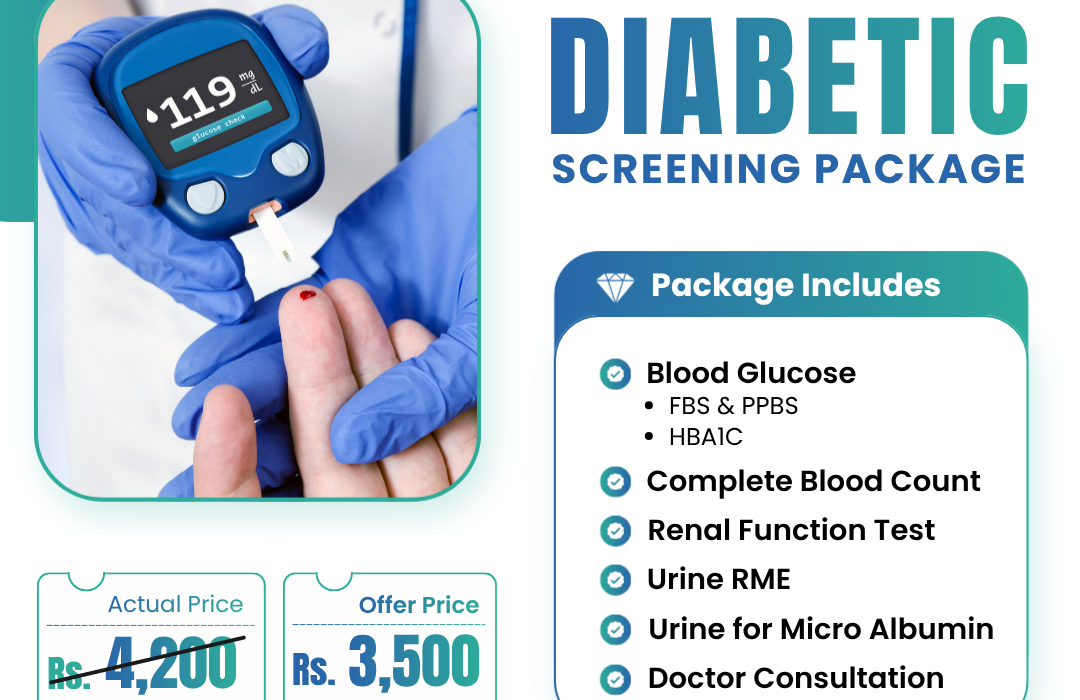
Diabetes Monitoring at Home in Kathmandu: HbA1c, Sugar Tests & More
Diabetes monitoring at home has become one of the most requested services for Kathmandu families managing a diabetic parent, spouse, or their own condition. Because diabetes requires regular, ongoing testing rather than a single checkup, avoiding repeat trips to a lab makes a real difference — especially for elderly patients or anyone managing a busy schedule alongside a chronic condition.
Why Regular Monitoring Matters
Diabetes doesn’t announce itself day to day. Blood sugar can swing without obvious symptoms, and consistent testing is what actually catches problems early, before they become complications. According to the American Diabetes Association, most non-pregnant adults with diabetes should aim for an HbA1c below 7%, a target directly linked to lower risk of long-term complications like nerve damage, kidney disease, and cardiovascular problems.
What Is HbA1c, and Why Does It Matter?
HbA1c measures average blood sugar over the past two to three months, rather than a single-moment snapshot like a finger-prick glucose test. This makes it one of the most useful tools for understanding whether a diabetes treatment plan is actually working over time, not just on the day of testing. Most doctors recommend an HbA1c test every three to six months for patients with stable diabetes, and more frequently if treatment has recently changed.
Types of Diabetes Monitoring Available at Home
HbA1c Test
A single blood draw that reflects long-term blood sugar control. This is typically done every 3–6 months and is the test most doctors rely on to adjust treatment plans.
Fasting Blood Sugar (FBS)
Measures blood sugar after at least 8 hours without food, usually first thing in the morning. This gives a snapshot of baseline sugar levels.
Postprandial Blood Sugar (PPBS)
Measures blood sugar roughly two hours after a meal, showing how well the body manages sugar after eating.
Random Blood Sugar
A quick check at any time of day, often used for initial screening or when symptoms suggest a sugar spike.
Lipid Profile
Because diabetes raises cardiovascular risk, many doctors recommend pairing sugar tests with a cholesterol and lipid panel.
Kidney Function Tests
Diabetes is a leading cause of kidney damage over time, so periodic kidney function testing is often included in ongoing diabetes monitoring.
How Home Diabetes Monitoring Works
- Book a home sample collection through Mero Hospital’s appointment page or hotline.
- A trained phlebotomist visits your home at a scheduled time to draw the required blood sample.
- Samples are processed at the lab, with most results available within 24 hours.
- Reports are shared digitally, so a doctor can review results and adjust treatment without requiring an in-person visit for every test.
- Follow-up care — for patients who need medication adjustments or further evaluation, an OPD visit or doctor home visit can be arranged based on results.
Who Benefits Most from At-Home Monitoring
- Elderly diabetic patients who find repeated lab visits physically difficult.
- Post-surgery or recovering patients who shouldn’t be traveling unnecessarily.
- Busy professionals managing diabetes alongside a full work schedule.
- Newly diagnosed patients who need frequent testing while treatment is being adjusted.
- Families managing multiple health conditions who prefer bundled testing and nursing support at home.
Combining Testing with Ongoing Care
Testing alone doesn’t manage diabetes — it’s what happens with the results that matters. Mero Hospital’s 24/7 nursing service can support patients with insulin administration, wound care for diabetic patients, and regular vitals monitoring between test cycles. For patients who want a complete picture in one visit, a diabetic wellness package bundles HbA1c, fasting sugar, lipid profile, and kidney function tests together.
Frequently Asked Questions
How often should HbA1c be tested for diabetes monitoring at home? Most patients with stable diabetes need an HbA1c test every 3 to 6 months. Patients with recent treatment changes or poorly controlled sugar levels may need more frequent testing.
What’s the difference between HbA1c and a regular sugar test? HbA1c reflects average blood sugar over 2–3 months, while a fasting or random sugar test shows a single-moment reading. Both are useful, but HbA1c gives a better picture of long-term control.
Can diabetes monitoring at home replace doctor visits entirely? No. Home testing covers the sample collection and reporting, but results still need to be reviewed by a doctor, especially if medication adjustments are needed.
How long does it take to get test results? Most blood test results, including HbA1c and fasting sugar, are available within 24 hours of sample collection.
How do I book a home diabetes test in Kathmandu? You can book through the appointment page or by calling +977 9801819111.
Book Diabetes Monitoring at Home
Whether it’s a routine HbA1c check or a full diabetic panel, Mero Hospital brings the testing to your doorstep, with results a doctor can act on quickly.
📞 Hotline: +977 9801819111 📍 Address: Buddhanagar-10, Kathmandu, Nepal 🌐 Book online: merohospital.com/appointment/